
Parrots Count (and So Do We)
Updated: Jul 8

Parrots are an amazing group of species, demonstrating not just beauty and vocal learning throughout their lives, but complex social relationships. Parent parrots invent a unique "signature call" for each chick in the nest, which functions as a name. They don’t just mimic human language and environmental sounds, they “talk to each other” using their own language and dialects. Parrots can also count. In studies with the African Grey Parrot, researchers have documented that they can count to six and have a concept of zero. They can also sum small quantities.

Because they are such startling beings, they are highly prized as pets, though they are intelligent wild flying individuals (except for the kākāpō, a large flightless parrot in New Zealand). Their allure has caused their numbers to plummet in the wild as they are captured for the wildlife trade and sold around the world, far from their home range.
With populations at such risk, parrot conservationists strive to protect them. To understand the effectiveness of their work and any changes to the level of threats to parrots, population counting is a primary parrot conservation activity.
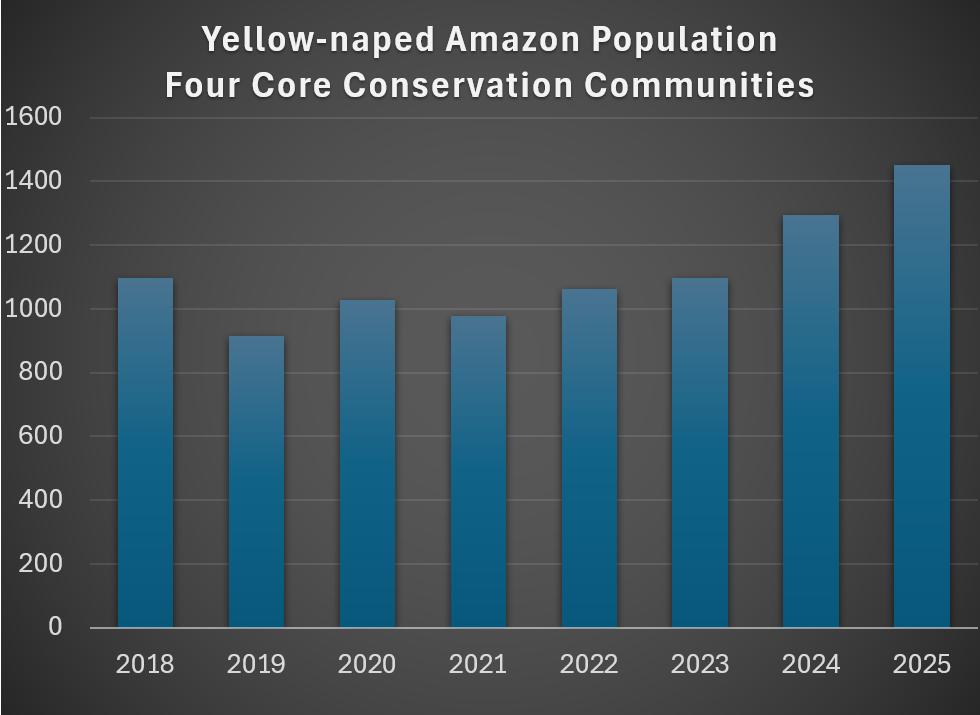
Since 2013 One Earth Conservation has been working with the people of Ometepe Island (Biometepe and Fauna and Flora) in Nicaragua to protect the critically endangered yellow-naped amazon parrot. This means we have been counting wild parrots at various locations on the island, most notably in our core six communities. In 2018 we attempted to assess the entire island’s population of parrots, where 12 of the 16 species of parrots in Nicaragua are found.

Starting next week, we will muster an incredible force of community members, students, and conservationists to again count wild parrots on the entire island, including in several new areas where they have not been counted before.

This will require a month’s worth of intense effort. We must arrive at each count transect (area), which includes 4-7 different counting points staffed by at least two counters, before sunrise and count all parrots we see for two hours (To find out more about this methodology, go here). We then return to the same places in the evening to count again for two hours. In between the morning and evening counts, we summarize the data and remove from our data any birds that were possibly counted more than once (and hopefully fit in a few siestas as well).
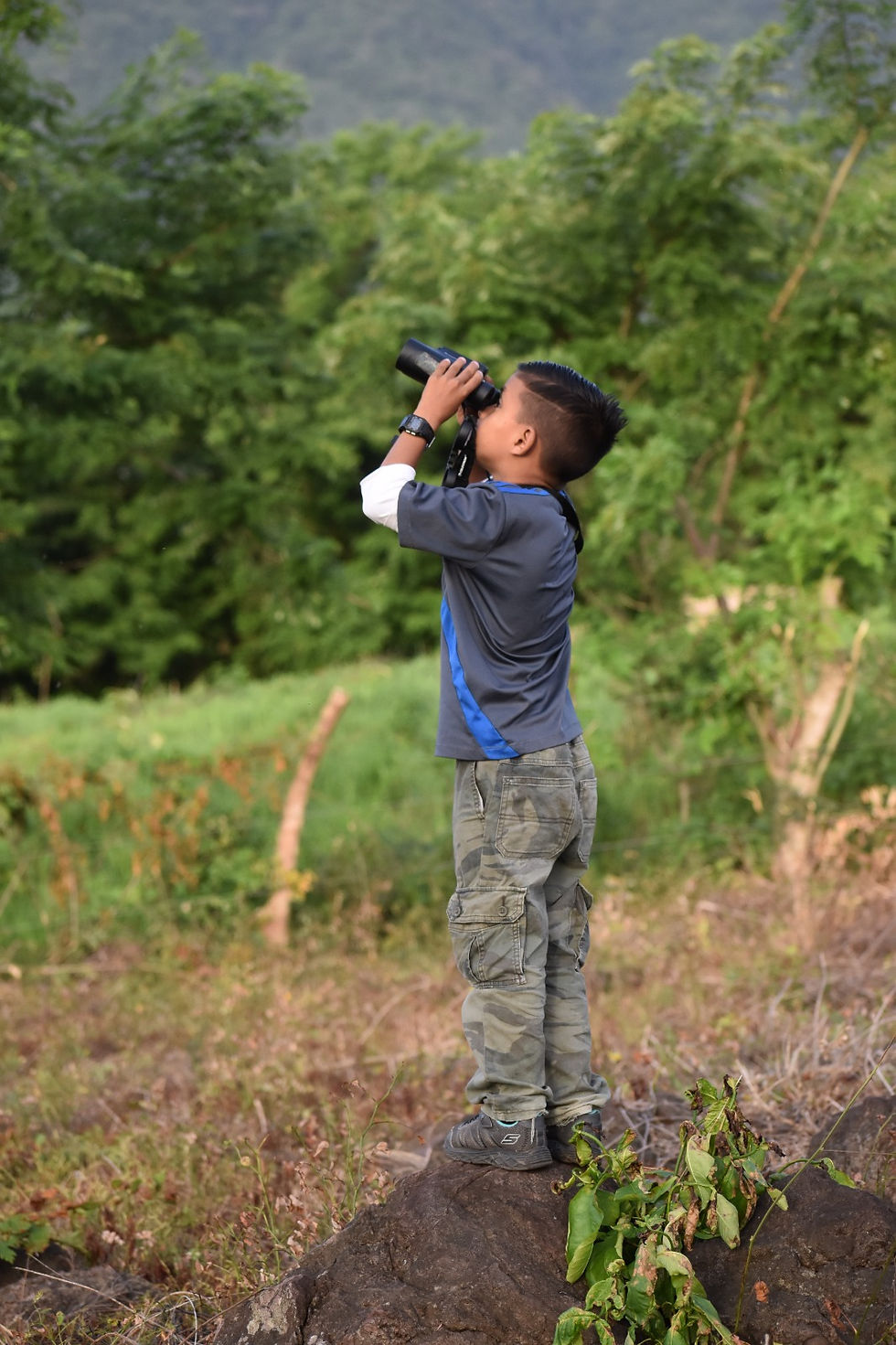
Our goal is to see if we can count not just higher than six (that is, six communities), but higher than 1869, which is the number of this species documented during the 2018 island-wide count.
Follow us on social media to see how the count is going and to participate virtually in this extraordinary effort.
Rev. Dr. LoraKim Joyner will be on Ometepe island for the entire parrot count, from July 13 – August 15, 2026, except for a brief period during which she will attend the Birds Caribbean Conference in Trinidad and Tobago and where she will be a keynote speaker.

Me pareció un contenido bastante claro y fácil de leer. La información está organizada de una manera práctica, lo que ayuda a encontrar rápidamente los datos más importantes. Cuando se busca información sobre loteria nacional, resulta mucho más cómodo consultar artículos que explican el tema de forma sencilla y sin demasiadas complicaciones.
Supporting wildlife conservation efforts to safeguard parrot species highlights the vital work being done to protect biodiversity around the globe. While catching up on inspiring ecological projects online, I paused to check global financial updates and noted the latest euro to pkr rates during my afternoon scroll. Pairing environmental conservation awareness with a quick check on foreign currency figures makes for a well-rounded break.